The Phantom Thirst: When Sweetness Isn’t Enough
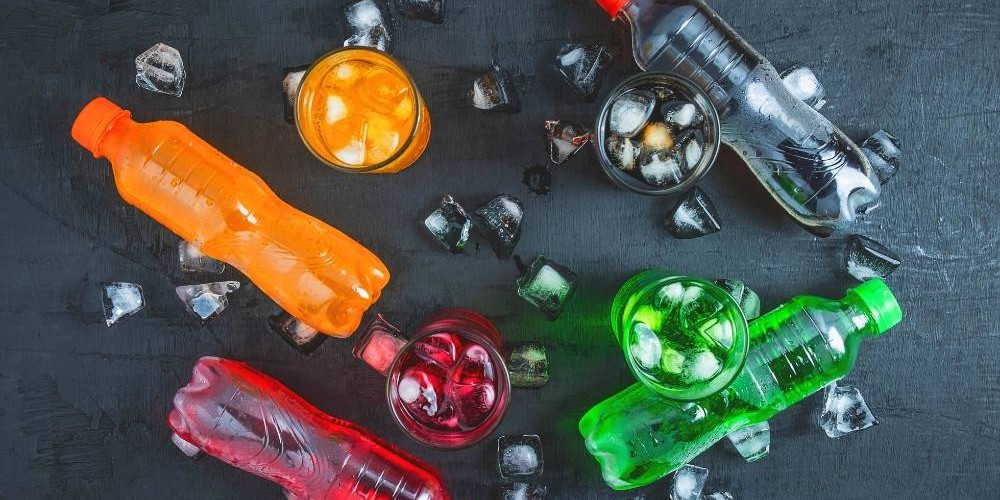
For years, I lived in a cycle of perpetual, unquenchable thirst. It was a dry sensation at the back of my throat that I treated like a fire to be extinguished. My weapon of choice? Usually something cold, carbonated, and vibrantly sweet. I believed that the intensity of my thirst required an equally intense flavor to satisfy it. Yet, no matter how many bottles of soda or glasses of sweetened iced tea I consumed, the relief was always fleeting. Within twenty minutes, the dryness would return, often accompanied by a strange, heavy lethargy.
I discovered that the transition became much more manageable once I found sustainable ways to cut back on sugary drinks without feeling a sense of constant deprivation.
It wasn’t until I began a journey into nutrition coaching and started paying attention to my blood sugar that I realized I wasn’t actually thirsty in the way I thought I was. I was trapped in a biological feedback loop. Managing my blood sugar didn’t just change what I ate; it fundamentally shifted the way I interpret the signals my body sends me. It turned the simple act of drinking water into a meditative practice of listening rather than reacting.
The Science of the Sugar-Thirst Loop
To understand why I felt so thirsty while drinking so much, I had to look at the relationship between glucose and cellular hydration. When we consume a drink high in sugar, our blood glucose levels spike rapidly. In response, the body attempts to restore balance. One of the ways it does this is by drawing water out of our cells and into the bloodstream to dilute the excess sugar. This cellular dehydration is exactly what triggers the brain to send out a frantic ‘thirsty’ signal.
The Noise of the Spike
When my blood sugar was high, my thirst felt loud and urgent. It was a demanding, almost anxious sensation. In those moments, I wasn’t looking for hydration; I was looking for a hit of energy to match the frantic pace of the glucose spike. I mistook the chemical agitation of a sugar rush for a physical need for more liquid. By learning to keep my levels stable, that ‘noisy’ thirst began to fade, replaced by a much quieter, more manageable need for fluid.
The Silence of the Crash
Conversely, when the inevitable crash followed a sugary drink, I would feel a different kind of thirst—a thick, muddy sensation. I used to think I needed another sweet drink to ‘wake up’ my mouth. In reality, my body was struggling to recalibrate. Understanding this rhythm allowed me to see these cravings for what they were: echoes of a system out of balance, rather than genuine cries for more sugar.
Rewriting My Internal Dialogue with Water
As I began to prioritize low-glycemic choices and consistent nutrition, the way I experienced water changed. It was no longer the ‘boring’ alternative I forced myself to drink between sodas. Instead, water became a source of clarity. Without the mask of high-fructose corn syrup or artificial sweeteners, I could finally feel the difference between being ‘sugar-parched’ and truly hydrated.
I started to notice the subtle nuances of how my body felt after a glass of plain water compared to a sports drink. The water felt light; it felt like it was actually reaching the places that needed it. Managing my blood sugar removed the ‘static’ from the line, allowing me to hear what my body was actually asking for. Often, it wasn’t even liquid it wanted, but a moment of rest or a nutrient-dense snack.
Lessons Learned on the Path to Balance
Reflecting on this transition, I’ve realized that thirst is more than just a physical sensation—it’s a communication. When we flood our systems with sugar, we are essentially hanging up the phone on our body’s most basic needs. Here are the core realizations that changed my perspective:
- Thirst isn’t always about volume: You can drink a gallon of soda and still be cellularly dehydrated. Quality of fluid matters more than quantity when blood sugar is involved.
- The 20-Minute Rule: I learned to wait twenty minutes after a craving hits. Often, once my blood sugar stabilized from my last meal, the ‘desperate’ thirst vanished.
- Savoring the Neutrality: I began to appreciate the neutral taste of water. It became a palate cleanser for my life, helping me enjoy the natural flavors of food more intensely.
- Energy is the metric: I stopped measuring hydration by how much I drank and started measuring it by how steady my energy levels remained throughout the afternoon.
A Mindful Approach to Every Sip
Today, when I reach for a drink, I take a breath first. I ask myself: ‘Is this thirst, or is this a blood sugar reaction?’ This moment of introspection has been more powerful than any diet plan. It has taught me that my body is not an adversary to be controlled, but a partner to be understood. By managing the highs and lows of my glucose levels, I’ve found a sense of peace in my physical self that I never thought possible.
We often think of nutrition coaching as a series of restrictions—things we can’t have. But for me, it was an act of liberation. It freed me from the constant, nagging demand of a thirst that could never be satisfied. It gave me back the ability to feel truly refreshed by a single, simple glass of water. And in a world that is always trying to sell us the next ‘thirst-quenching’ miracle, that quiet satisfaction is the greatest health benefit of all.